-
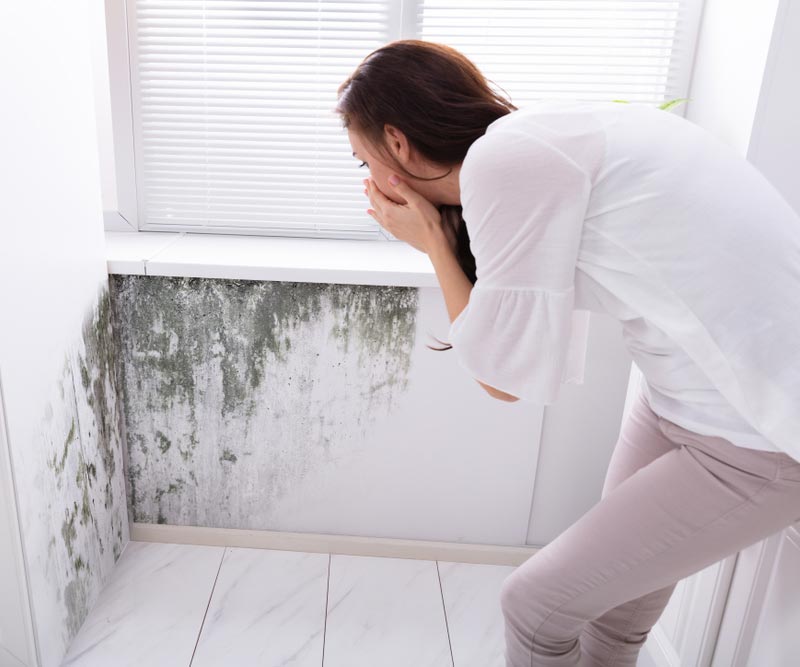
Early Detection of Issues: Damp surveys help detect moisture problems early, sometimes even before signs like peeling paint, musty smells, or black mould become visible. Early identification can prevent minor issues from escalating into major repairs.
-
Cost Savings: Damp treatment and structural repairs can be expensive. A damp survey allows you to factor in potential repair costs before purchase, potentially giving you leverage to renegotiate the price or request remedial action from the seller.
-
Protects Health: Prolonged exposure to damp and mould can lead to respiratory issues, allergies, and other health problems. A survey helps safeguard the health of everyone who will live in the property.
-
Property Value Preservation: Left untreated, damp can cause serious damage to walls, floors, and foundations, which can drastically reduce the value of a home. Identifying and remedying issues early helps protect your investment.
-
Identifying the Cause: Damp surveys not only confirm the presence of damp but also determine its type—rising damp, condensation, or penetrating damp—and pinpoint the root cause. This information is crucial for implementing the right remedy.

What Happens During a Damp Survey?
A damp survey is a detailed inspection of a property's interior and exterior to assess moisture levels and the causes of damp. It typically includes:
-
Visual Inspection: The surveyor will begin with a visual inspection, looking for signs such as discolouration, peeling wallpaper or paint, salt deposits, and black mould.
-
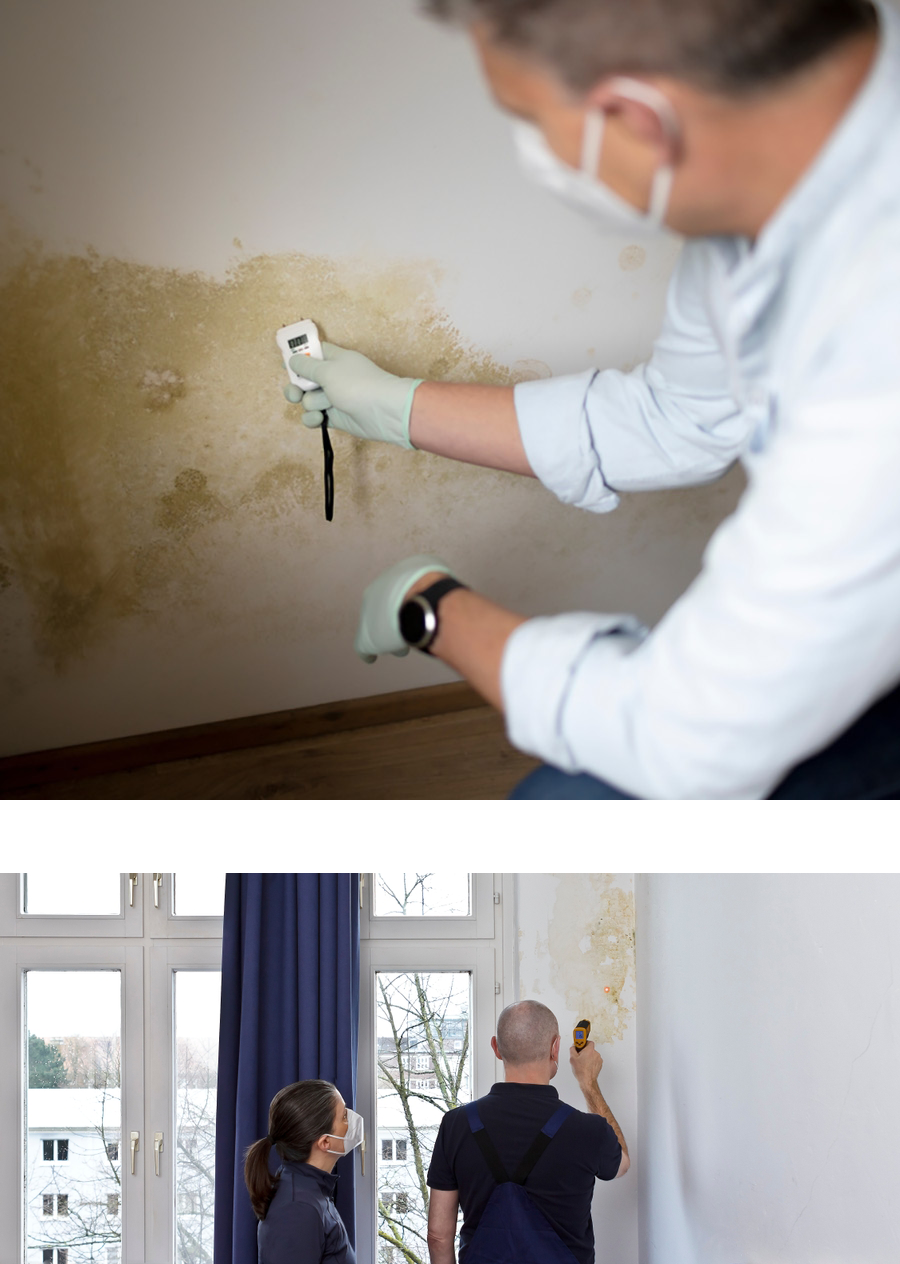
Use of Moisture Detection Tools: A damp meter is used to check the moisture content in various parts of the property, including internal and external walls, ceilings, and floors.
-
Thermal Imaging Cameras: In some cases, advanced tools like thermal imaging cameras may be used to detect hidden moisture and heat loss points that might be contributing to condensation and damp issues.
-
Assessment of High-Risk Areas: Lofts, basements, cellars, and areas behind furniture or under flooring are thoroughly checked, as these spaces are more prone to undetected dampness.
-
Diagnosis of Damp Type: The surveyor will determine if the damp is caused by rising damp (moisture rising from the ground), penetrating damp (from external sources), or condensation (due to humidity and poor ventilation).
Book a Damp Survey
How Long Does a Damp Survey Take?
A typical damp survey takes between two to four hours, depending on the size, age, and condition of the property. Larger or older properties with complex issues may take longer. After the inspection, you’ll receive a comprehensive written report, often within a few days, outlining:
-
Areas affected by damp
-
Type and severity of damp
-
Likely causes
-
Photographic evidence
-
Recommendations for treatment or further investigation