
What Is Rising Damp?
Rising damp occurs when moisture from the ground travels upwards through porous building materials such as brickwork and mortar.
Most properties are constructed with a damp proof course (DPC) designed to create a barrier between ground moisture and the walls above. However, in some properties the DPC may be missing, damaged, compromised or no longer performing effectively.
Moisture can then gradually move upwards through the wall through a process known as capillary action.
Book a Survey
What Does Rising Damp Look Like?
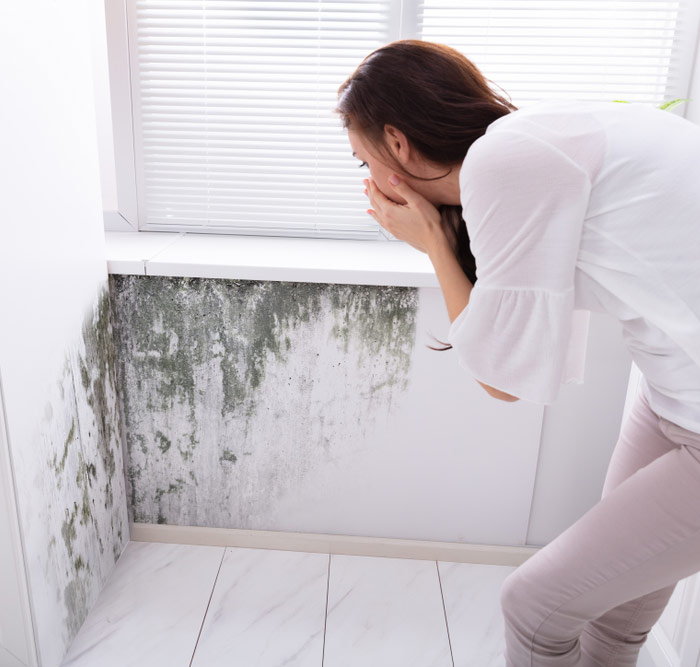
One of the main characteristics of rising damp is its location. Because the moisture originates from the ground, the problem generally affects the lower sections of ground-floor walls rather than appearing randomly higher up the property.
Typical signs can include:
-
Damp or discoloured patches near floor level
-
Peeling paint or wallpaper
-
Damaged or crumbling plaster
-
Deteriorating skirting boards
-
White powdery salt deposits on walls
How Is Rising Damp Treated?
Treatment depends on the condition and construction of the property, which is why a proper damp survey should be carried out before remedial work begins.
Where a failed or ineffective damp proof course is identified, treatment may involve the installation of a new chemical damp proof course.
This usually involves drilling a series of carefully positioned holes into the mortar course and introducing a specialist damp-proofing product that forms a moisture-resistant barrier.
Contaminated plaster may also need to be removed and replaced because salts left behind by rising damp can continue to attract moisture.
Simply painting over rising damp with waterproof paint is unlikely to provide a permanent solution because it does not address the source of the moisture.
What Is Penetrating Damp?
Penetrating damp is caused by water entering a property through an external defect or weakness in the building.
Unlike rising damp, penetrating damp does not necessarily begin at ground level. It can appear almost anywhere that water is finding a route into the building.
Common causes include damaged roof tiles, leaking gutters, defective pointing, cracked render, damaged brickwork, leaking pipes and problems around windows or doors.
Properties exposed to prolonged wind-driven rain can also be particularly vulnerable if the external masonry has become porous.
What Does Penetrating Damp Look Like?
Penetrating damp often appears as a localised damp patch on a wall or ceiling.
Possible warning signs include:
-
Damp patches that become worse after rainfall
-
Wet or discoloured internal walls
-
Peeling or bubbling paint
-
Damaged plaster
-
Damp patches around windows or doors
-
Moisture on ceilings
-
Timber deterioration close to the affected area
Unlike condensation, which tends to affect colder surfaces and poorly ventilated rooms, penetrating damp can often be traced back to a specific building defect.
How Is Penetrating Damp Treated?
The solution is to find and stop the route through which water is entering the property.
For example, treatment could involve repairing a leaking gutter, replacing damaged roof tiles, repointing defective brickwork, repairing render or sealing gaps around windows and doors.
Where the problem is caused by porous external brickwork, a specialist breathable external weather protection treatment may sometimes be appropriate. This can help prevent rainwater penetrating the masonry while still allowing water vapour within the wall to escape.
Internal plaster repairs and redecoration should generally be completed after the source of the water has been addressed and the affected structure has had sufficient opportunity to dry.
What Is Condensation?
Condensation is different from both rising and penetrating damp because the moisture does not necessarily originate from outside the property.
Instead, condensation develops when warm, moisture-laden air comes into contact with a colder surface.
Everyday activities such as showering, cooking, drying clothes indoors and even breathing release moisture into the atmosphere.
If this moisture cannot escape because ventilation is inadequate, humidity levels rise. When the humid air reaches cold walls, windows or other surfaces, the water vapour can turn into liquid.
This is particularly common during autumn and winter when properties are heated but external walls and windows remain cold.
What Does Condensation Look Like?
Common signs include:
-
Water droplets on windows
-
Damp window frames
-
Black mould around windows
-
Mould in corners of rooms
-
Mould behind furniture
-
Damp patches on cold external walls
-
Musty smells
-
Excessive humidity
Bedrooms, bathrooms and kitchens are particularly susceptible because they either generate significant moisture or may remain closed for long periods.
Condensation can also develop behind wardrobes and large pieces of furniture where airflow is restricted.
How Is Condensation Treated?
Because condensation is usually associated with humidity, ventilation and temperature, installing a damp proof course would not normally solve the problem.
Instead, treatment concentrates on controlling moisture levels and improving airflow.
This might involve installing or upgrading bathroom and kitchen extractor fans, improving background ventilation, addressing cold spots or changing how moisture is managed within the home.
In properties suffering from widespread condensation, a Positive Input Ventilation (PIV) system may also be considered. PIV systems introduce a continuous supply of filtered air into the property, helping to dilute humid indoor air and improve overall air circulation.
Existing mould should also be treated correctly rather than simply painted over.
Why Correct Damp Diagnosis Matters
One of the biggest mistakes homeowners can make is assuming that every damp patch requires the same treatment.
A damp wall at ground level could indicate rising damp, but it could also be caused by a leaking pipe, high external ground levels or penetrating moisture.
Black mould might suggest condensation, but the moisture encouraging it could potentially be associated with another underlying defect.
This is why diagnosing damp purely from its appearance can be difficult.
A professional damp survey should consider where the moisture is located, how it is distributed and what is happening elsewhere in and around the property. External brickwork, gutters, drainage, ventilation, plumbing, roof areas and internal moisture levels may all need to be considered.
Three Problems – Three Different Solutions
Although rising damp, penetrating damp and condensation can all result in wet walls, damaged decoration and mould growth, their causes are fundamentally different.
Rising damp originates from moisture travelling upwards from the ground and may require repairs or improvements to the damp proof course.
Penetrating damp occurs when water enters through the building envelope and usually requires the external defect or source of water ingress to be repaired.
Condensation is generally associated with excessive indoor humidity meeting cold surfaces and is usually tackled through better ventilation, airflow and moisture management.
Applying the wrong treatment may hide the symptoms temporarily without solving the underlying problem.
If you notice persistent damp, mould, peeling plaster or unexplained moisture within your property, the most important first step is therefore not deciding how to treat the damp, but determining what is actually causing it.
A thorough damp survey can identify whether you are dealing with rising damp, penetrating damp, condensation or potentially a combination of problems. Once the source has been correctly diagnosed, the appropriate remedial work can be recommended – helping to ensure the problem is treated at its cause rather than simply covered up.