Core insights
-
West Yorkshire's unique climate contributes significantly to damp and mould issues
-
Seasonal changes and rainfall patterns exacerbate moisture problems in homes
-
Proximity to water bodies and the age of the housing stock amplify damp challenges
-
Effective ventilation and insulation are crucial in preventing mould growth
-
Understanding the symptoms of mould exposure is vital for maintaining health

The Climate of West Yorkshire and Its Impact on Damp and Mould
West Yorkshire's climate is a double-edged sword. While it offers lush greenery and picturesque views, it also brings with it a host of challenges for homeowners.
The region experiences a temperate maritime climate with cool summers and mild winters, but it's the frequent rain and humidity that lay the groundwork for damp and mould issues. This climatic cocktail often leaves homes enduring prolonged periods of moisture, creating an ideal breeding ground for mould.
Book a Survey

Seasonal Changes and Increased Risk of Damp
In West Yorkshire, the cold winters are notorious for harbouring damp conditions. As temperatures drop, the air inside homes cools down, increasing moisture levels and leading to condensation. This persistent damp is not just a winter problem, though. Seasonal rainfall patterns, particularly during the autumn months, contribute to extended periods of dampness within homes. These conditions, combined with fluctuating temperatures, exacerbate the risk of mould growth.
Homeowners in Yorkshire often face heightened challenges during these wet autumn months. The types of damp vary, from rising damp to penetrating damp, each influenced by the seasonal changes. Persistent damp is not just an inconvenience; it can seriously impact the structural integrity of your home. Addressing these issues promptly is crucial to maintaining a safe and comfortable living environment.
How Rainfall and Humidity Contribute to Mould Growth
Rainfall in West Yorkshire is a frequent visitor, saturating the ground and causing water ingress in basements and lower levels of homes. This consistent wetness, coupled with high humidity levels, creates the perfect environment for mould spores to thrive. Persistent showers, especially in the spring, exacerbate indoor moisture levels, leading to significant damp issues that can be detrimental to both property and health.
Rain in West Yorkshire is a frequent visitor...
Rising damp is a common issue in West Yorkshire's wet climate, with many homes suffering from moisture creeping up through the foundations. The combination of rainfall and humidity not only promotes mould growth but also increases the risk of structural damage. According to Lung UK, prolonged exposure to mould can have severe health effects, making it essential to tackle damp issues head-on.
Book a Survey
Understanding the Geography of West Yorkshire and Housing Challenges
West Yorkshire's geography plays a pivotal role in the damp and mould issues faced by homeowners. The region is dotted with rivers, reservoirs, and low-lying areas, all of which contribute to the persistent damp problems. These geographical features, while adding to the scenic beauty, often lead to heightened moisture levels in homes.
Impact of Nearby Water Bodies on Dampness
The proximity to water bodies like rivers and reservoirs increases the risk of flooding in local homes. Homes near these water sources often experience elevated moisture levels, making them more susceptible to damp and mould. Low-lying areas, in particular, are vulnerable to groundwater seepage, which can lead to persistent moisture issues.
Moreover, waterlogged soil from nearby water bodies affects the building foundations, resulting in a higher risk of structural damage. This risk, combined with the already high moisture levels, makes it imperative for property owners to take preventive measures to protect their homes. Understanding the impact of geography on dampness can help you devise effective strategies to mitigate these risks.
How Older Housing Stock Contributes to Damp and Mould Issues
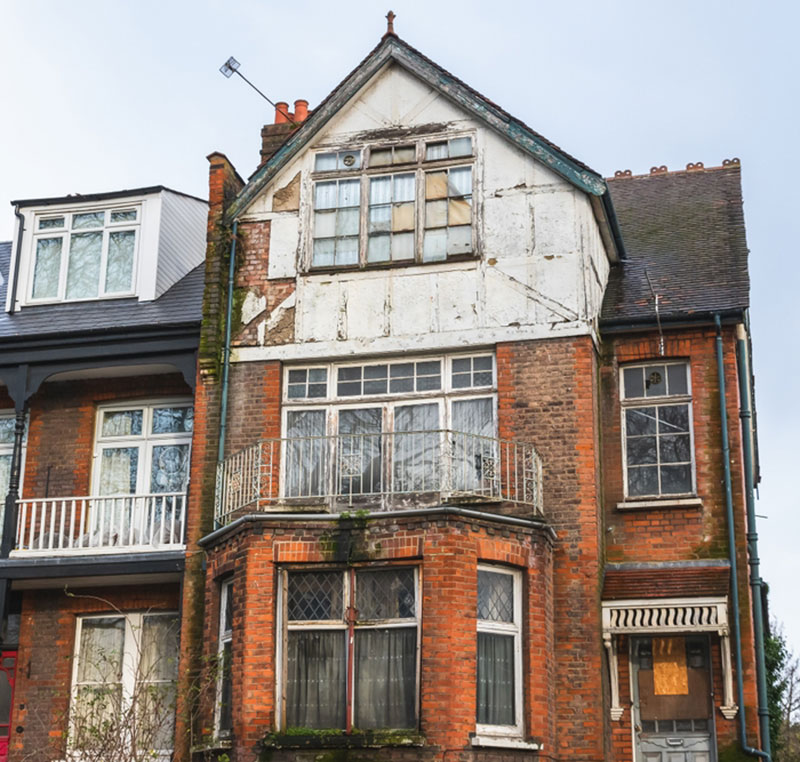
West Yorkshire is home to a charming array of older properties, each with its own unique character. However, these older homes often come with a set of challenges, particularly when it comes to damp and mould. The age of the housing stock significantly contributes to the prevalence of these issues, as older properties are more susceptible to structural problems.
Common Structural Problems in Older Properties
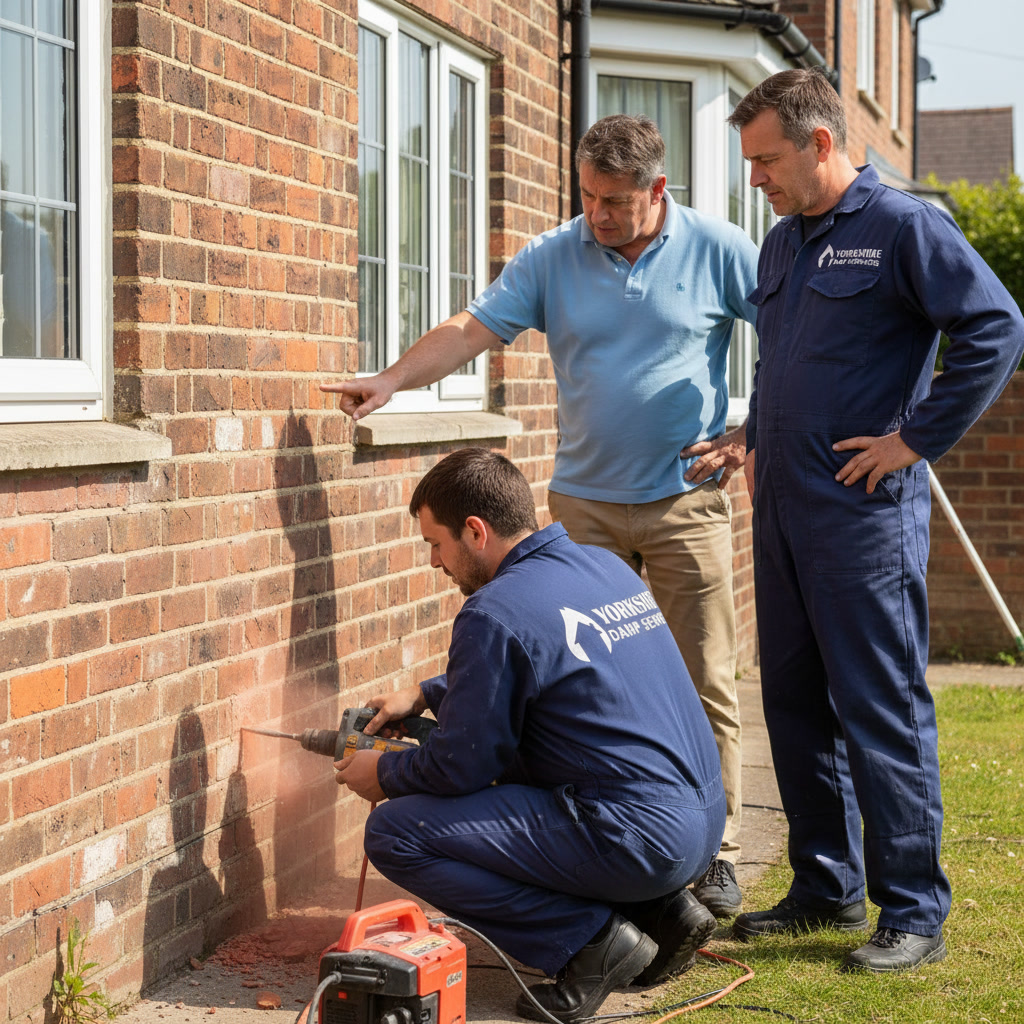
Old brickwork is a common culprit in older homes, with crumbling mortar allowing moisture to seep in. This structural issue, coupled with poorly maintained roofs, often results in leaks and damp ceilings. Single-glazed windows in older homes further promote condensation, exacerbating the damp and mould problems.
Outdated plumbing systems in these properties can also lead to unseen leaks and dampness. Reports of damp are not uncommon in older homes, and addressing these structural issues is crucial for maintaining decent homes. Regular inspections and timely repairs can help mitigate the impact of these structural problems and reduce the risk of damp and mould.
The Role of Insulation and Ventilation in Preventing Damp
Insulation and ventilation play a crucial role in preventing damp and mould in homes. Proper insulation helps regulate indoor temperatures, reducing the risk of condensation and damp. Ventilation, on the other hand, ensures that moisture is effectively expelled from the home, preventing the build-up of mould.
Effective Ventilation Solutions for Mould Prevention
One of the simplest yet most effective ways to reduce moisture in your home is through proper ventilation. Installing extractor fans in bathrooms and kitchens can significantly reduce moisture levels in these high-humidity areas. Regularly opening windows helps circulate fresh air, keeping your home dry and less susceptible to mould.
Mechanical ventilation systems are another effective solution for managing indoor air quality. These systems draw in fresh air while expelling stale, moisture-laden air, helping to keep mould and condensation at bay. Additionally, installing dehumidifiers can help lower humidity levels, creating a less hospitable environment for mould growth.

Recognising Symptoms of Mould Exposure
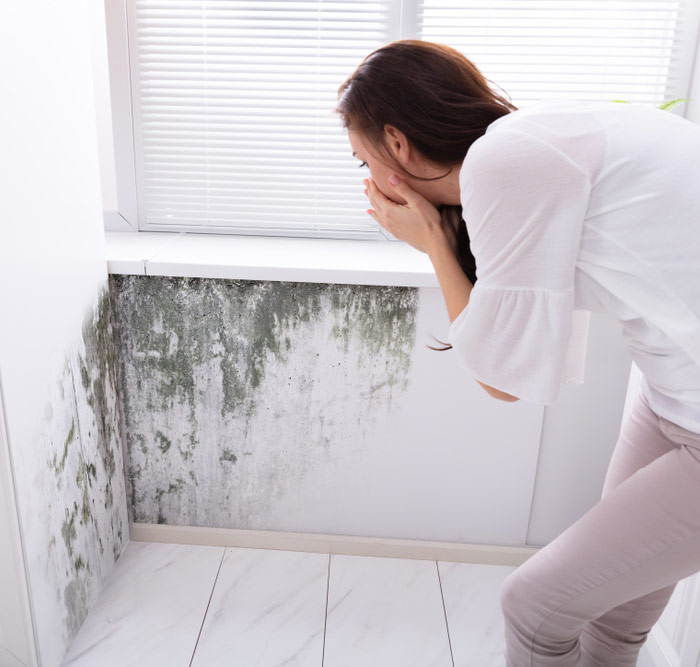
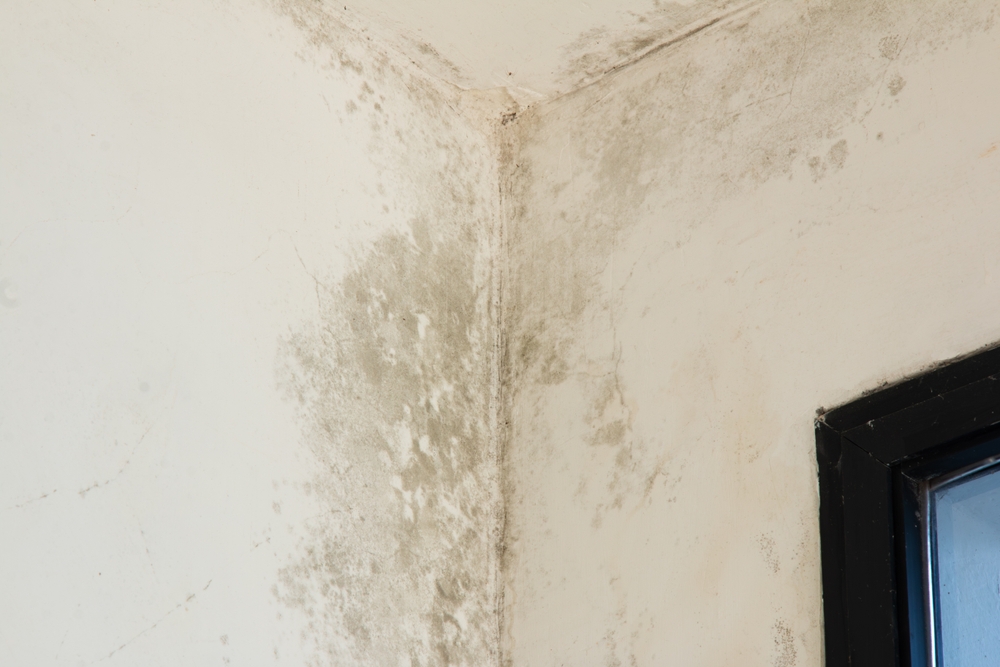
Mould exposure can have serious health effects, particularly for residents with respiratory issues. Persistent respiratory problems, such as coughing and wheezing, may indicate a mould problem in your home. Unexplained allergies can also be a sign of hidden mould, as can skin irritation from prolonged exposure.
Frequent headaches are another symptom of mould exposure, often resulting from inhaling mould spores over time. It's important to recognise these symptoms early and address any mould issues promptly to protect your health.
Tenants, especially in social housing, should report any signs of mould to their local council to ensure their living environment is safe.
Using Technology to Detect Hidden Mould
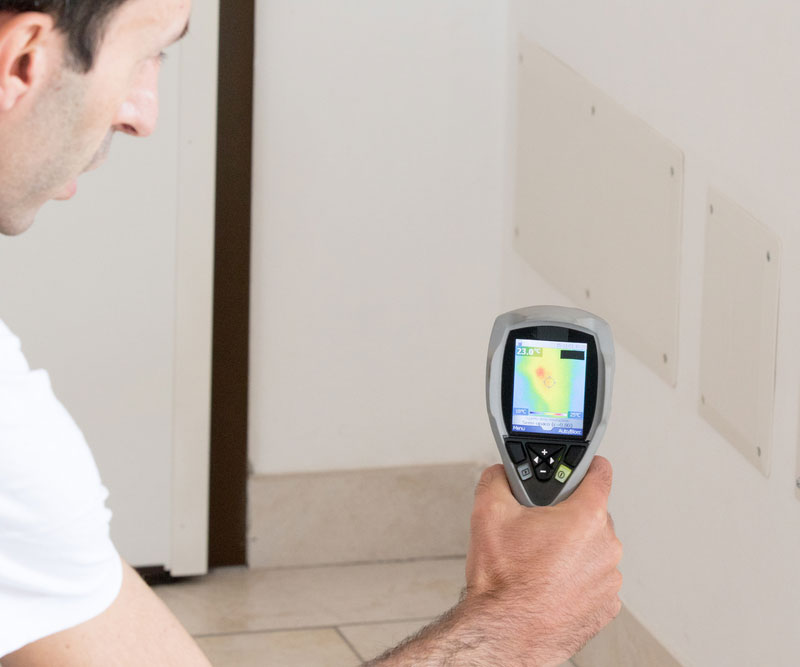
Advancements in technology have made it easier than ever to detect hidden mould and damp issues in homes. Infrared cameras can help identify areas of potential damp and mould, while moisture meters pinpoint high humidity spots within walls. These tools are invaluable for landlords and property owners looking to maintain healthy living environments.
Smart home systems offer another layer of protection by monitoring indoor air quality and alerting homeowners to potential issues. Thermal imaging can reveal hidden leaks and moisture problems efficiently, allowing for timely intervention. By leveraging technology, you can stay one step ahead of damp and mould problems, ensuring your home remains safe and comfortable.
In conclusion, West Yorkshire's unique climate, geography, and housing stock all contribute to the prevalence of damp and mould problems. By understanding these factors and taking proactive measures, you can protect your home and health from the adverse effects of damp and mould. So, what steps will you take to safeguard your home from these persistent issues? Share your thoughts and strategies in the comments below!