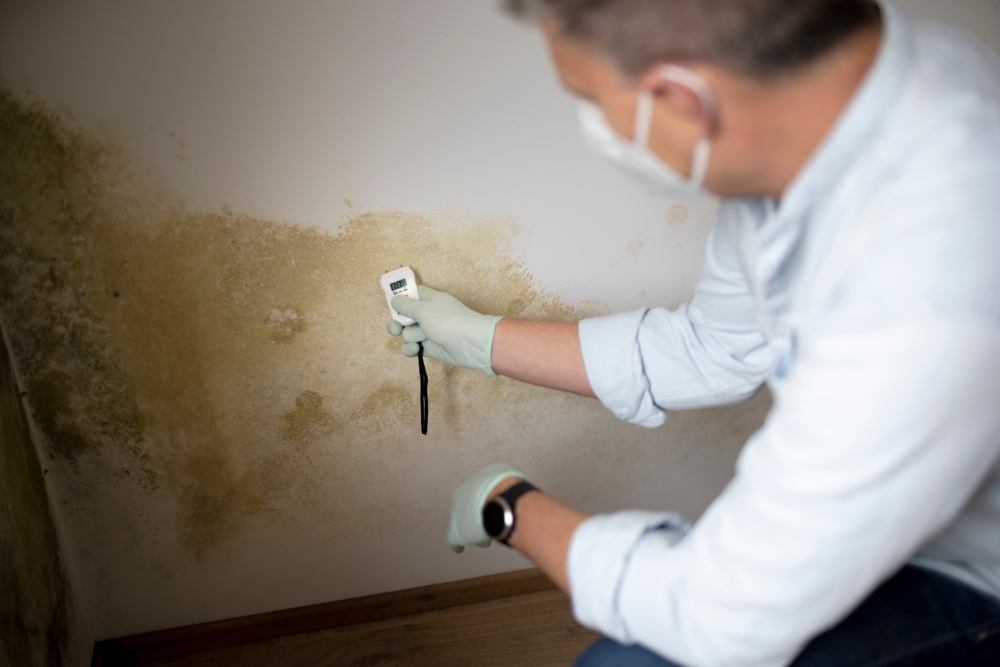
Importance of a Damp Proof Course
A DPC acts as a protective barrier that prevents ground moisture from seeping into the walls. If a property lacks an appropriate DPC or if an existing one becomes damaged, rising damp can occur, leading to costly repairs.
Most modern buildings include a DPC at least 150mm above ground level, typically visible as a bitumen or plastic layer. Over time, these materials may deteriorate due to age, structural movement, or bridging, making maintenance essential.
LEARN MORE
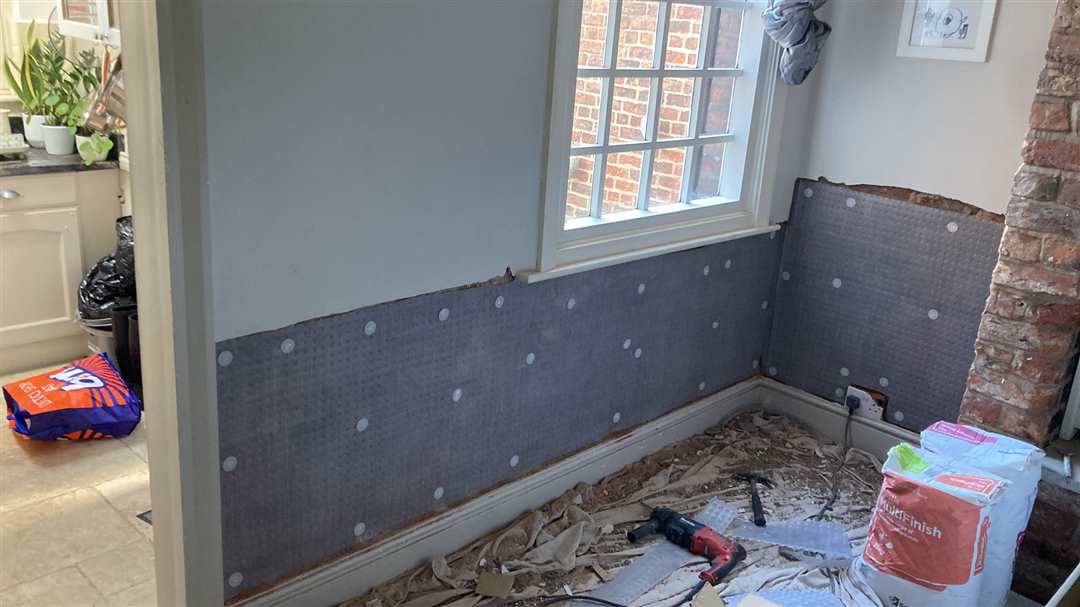
Causes of DPC Failure
Several factors can contribute to a DPC failing, including:
- Raised external ground levels that bypass the DPC
- Structural movement leading to cracks in the barrier
- Age-related deterioration of bitumen DPCs
- Bridging due to internal plaster or external render
If damp issues arise, a specialist surveyor should inspect the property to diagnose the problem accurately and recommend the best solution
BOOK A DAMP SURVEY
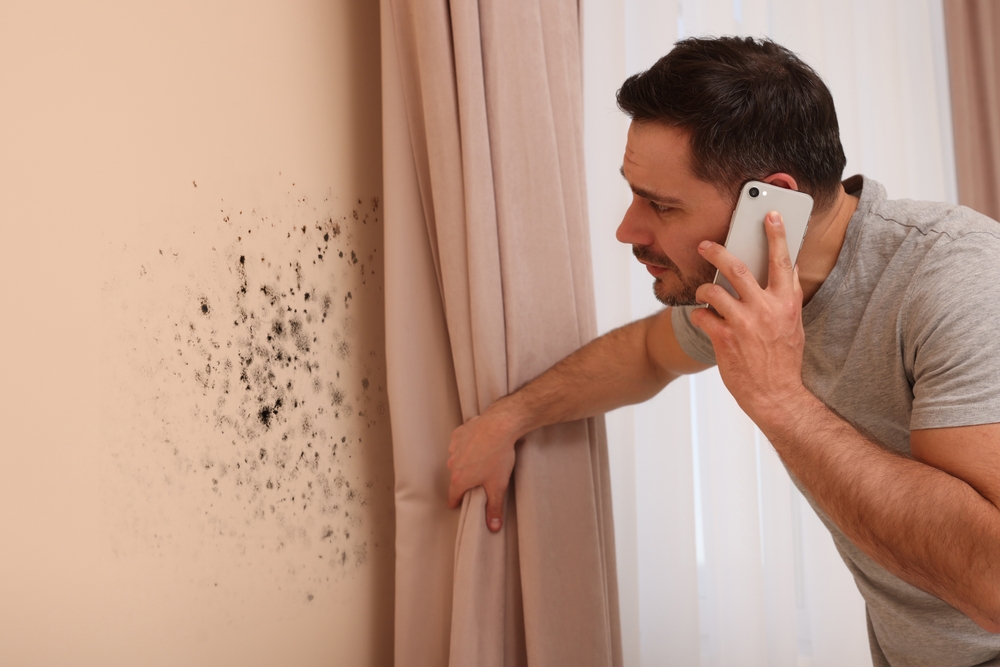
Types of Damp Proof Courses
There are several methods to restore or install a DPC, each suited to different property structures:
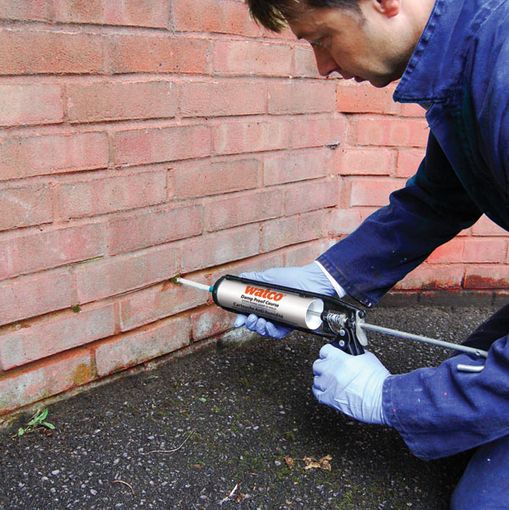
- Chemical Injection DPC – A water-repellent cream or liquid is injected into drilled holes in the wall, forming a protective barrier against moisture.
- Mortar Injection DPC – Ideal for rubble or voided walls, a chemical-enhanced mortar is injected, sealing gaps and preventing rising damp.
- Electro-Osmotic DPC – A non-chemical alternative where titanium and copper wiring apply a low electrical charge to repel moisture downward.
Do All Properties Have a DPC?
DPCs became a legal requirement in 1875. Early versions used slate or lead, while modern buildings employ bitumen felt or plastic barriers. However, poorly installed or deteriorated DPCs can fail, leading to rising damp, which is identifiable by tide marks, peeling plaster, and mold.
Identifying and Addressing Damp Issues
To resolve damp problems, the first step is identifying the cause. Common sources include:
- Leaky roofs, gutters, or pipes
- Defective external masonry or render
- Bridged or damaged DPCs
- Condensation and poor ventilation
- Faulty cavity wall insulation
- External flooding or drainage issues
Using a moisture meter can help detect excessive damp, but professional assessment ensures accurate diagnosis and the right remedial action.